
Putting DFM Review First in Medical Device NPI
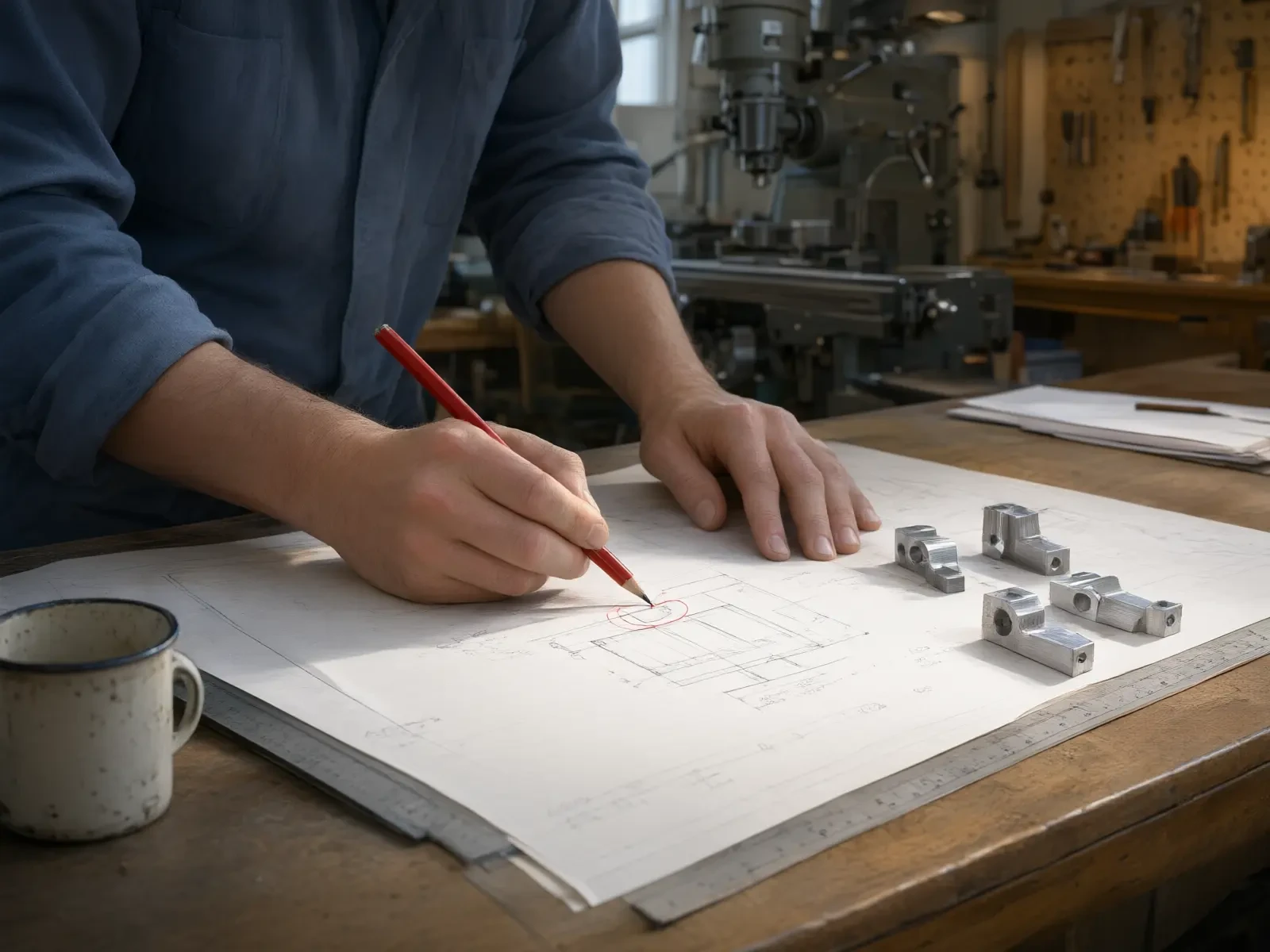
Medical device startups usually reach a manufacturing partner with a design that is complete in CAD and incomplete for production. The instrument housing is modeled, the fluid path is dimensioned, the electronics are placed, and the funding milestone depends on a working prototype. What the drawing set often does not answer is how the part will be held, cut, inspected, cleaned and assembled at the volumes the company is promising.
DFM (Design for Manufacturability) review is the step that answers those questions before metal is cut. In a startup program it is also the cheapest engineering work available, because every finding is still a note on a document rather than a change order, a scrapped lot or a re-validation.
What a DFM review catches that CAD cannot
A parametric model confirms that a part is geometrically possible. It does not confirm that the part can be produced repeatably at a stated cost. A structured DFM review works through five layers.
The first is tolerance strategy. Medical instruments routinely carry tolerances tighter than the function requires: a ±0.01 mm callout on a bracket that only needs to locate a cover. Tight tolerance drives fixturing, cycle time and inspection cost, and on a five-axis platform it can multiply unit price. The review asks what each tolerance protects and whether a looser band with a defined datum reference still meets the performance requirement.
The second is geometry against process. Undercuts that cannot be reached, walls too thin to hold a thread, draft angles that will not release from a mold, pockets deeper than a standard tool can reach. These are inexpensive to fix on a screen and expensive to fix after a tool exists.
The third is material and compliance. A resin chosen for stiffness may not survive a cleaning agent used in a hospital, and a plating may conflict with RoHS limits on restricted substances. Substitution decisions belong at the drawing stage, where they can still be validated once.
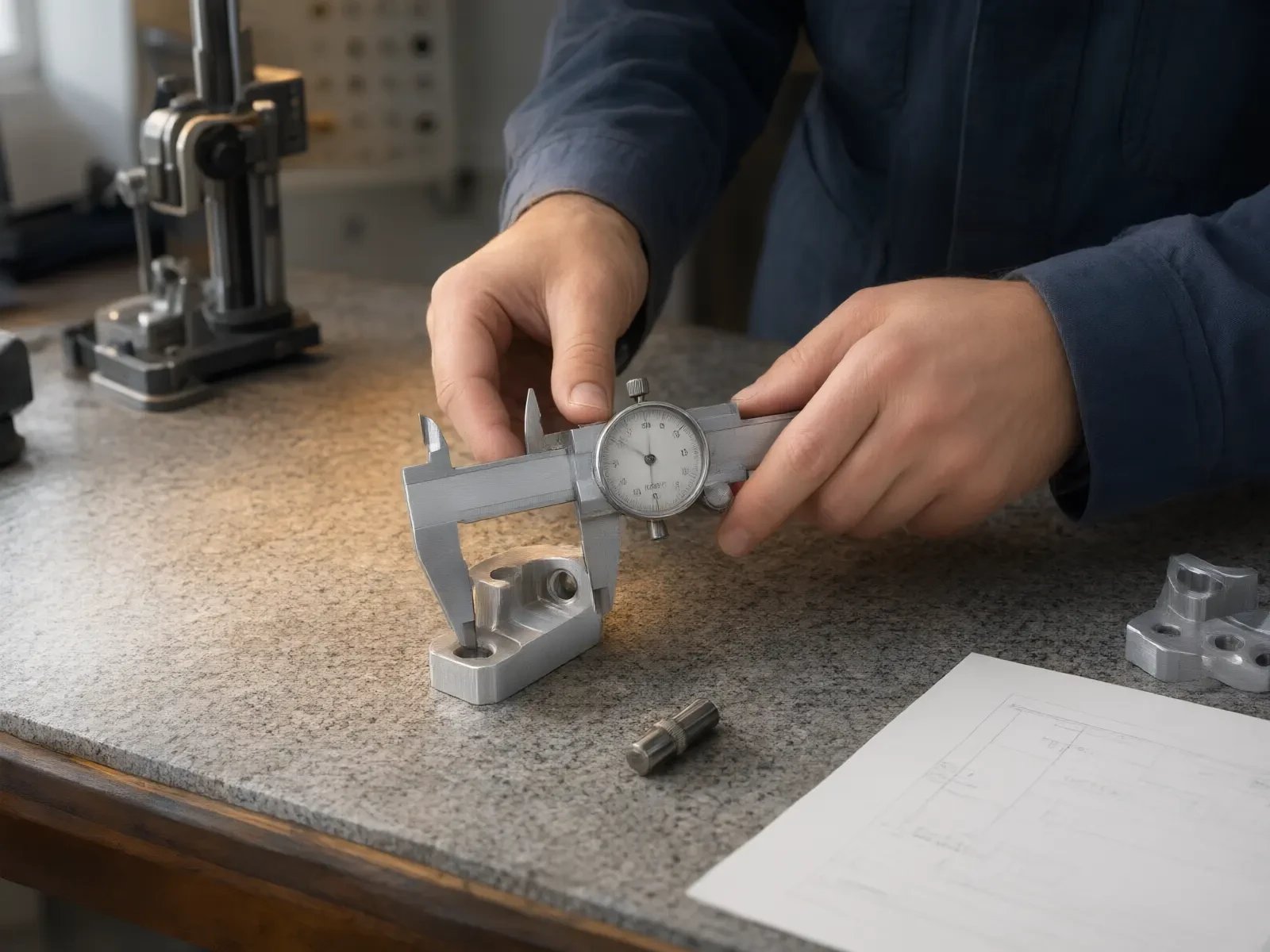
The fourth is inspectability. A feature that cannot be measured with available equipment cannot be verified, and an unverifiable feature becomes a documentation problem during release. The review tests whether every critical dimension has a measurement method attached to it.
The fifth is assembly and environment. Parts destined for a cleanroom must be cleanable, free of trapped voids and compatible with the gowning and transfer routine. Hardware that requires a fixture the startup has not designed will stall the pilot build.
Where rework cost accumulates
Rework cost is not linear in time. A dimensional change made on a drawing costs an engineer part of an afternoon. The same change after a mold is cut costs the tool, the machining schedule and the delivery commitment. After design verification, it also costs a partial repeat of testing, and that repeat is the item that damages a startup’s timeline most.
The mechanism is simple. Each stage of a hardware program adds fixed commitments: tooling, fixtures, process documentation, supplier capacity booked against a date. A late change invalidates some of those commitments, and the program pays for both the old and the new version. For non-standard parts produced in low volume, this burden is heavier than for consumer products, because there is no large production run to amortize the write-off.
A DFM review moves decisions to the stage where they are reversible. It does not remove iteration from hardware development; it confines iteration to documents.
The regulatory layer startups underweight
A medical device drawing is also a record. Design inputs, design outputs, change control and supplier qualification all reference the drawing revision. A change made casually in the workshop, without the corresponding revision, creates a traceability gap that surfaces during audit, not during production.
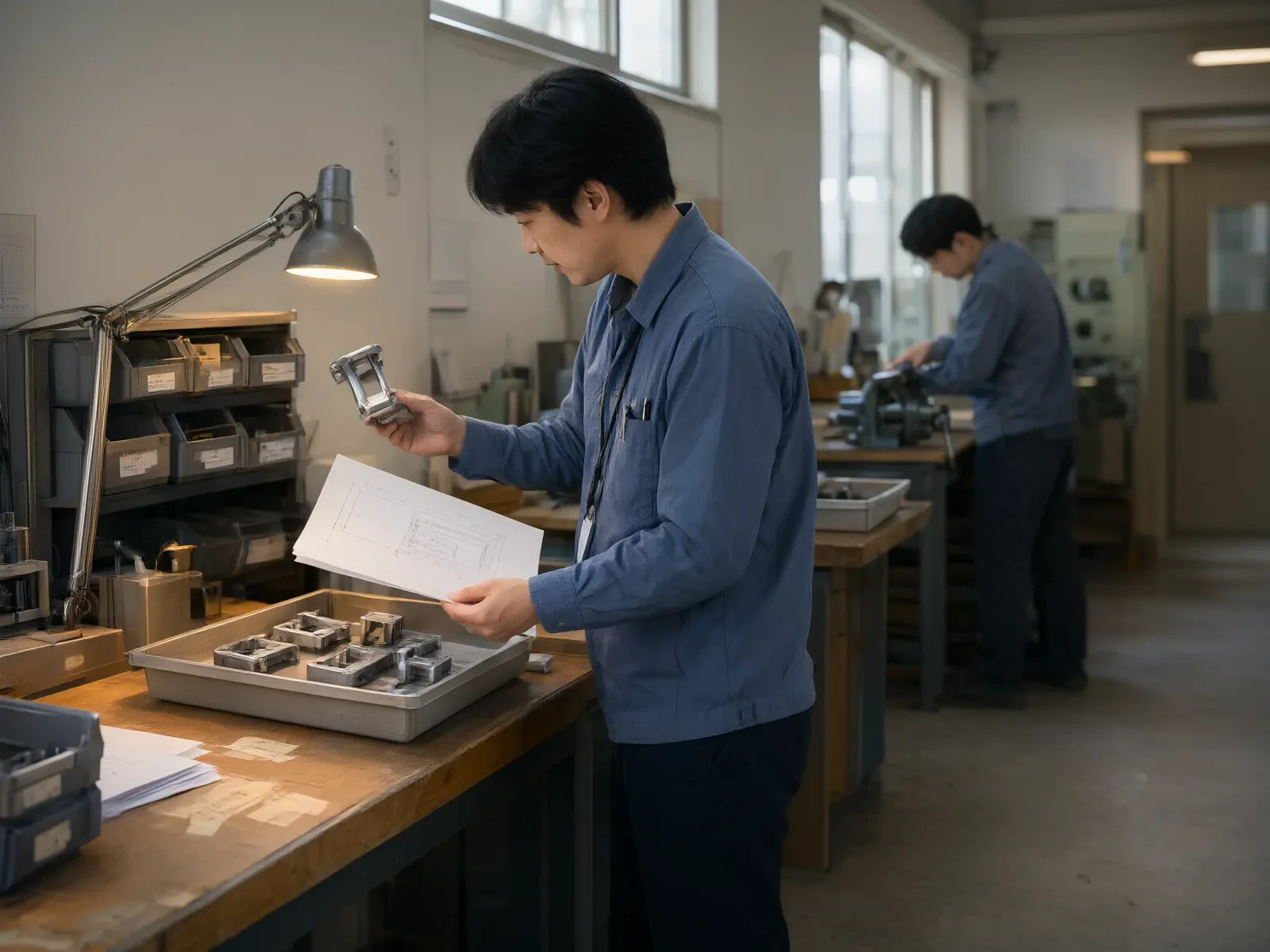
This is why the review needs to happen with the quality system in view. Factories in our network in Suzhou operate under ISO 9001 quality systems, and we screen for documented process control, material traceability and inspection records before a job is placed. When a review recommends a process change, it states the change in a form the startup can route through its own change control, so that the revision history stays continuous.
For devices with electronics or patient-contact components, the review also flags where RoHS declarations, material certificates and cleaning validation evidence will be required, and who must supply them. Discovering a missing certificate after the parts arrive delays release by weeks.
How the review runs before a quotation
Our NPI process for CNC work follows four steps, and the review sits inside the second one.
The startup sends 3D and 2D drawings through the quotation channel, and the engineering team responds within 24 hours with a first read. That read covers tolerance, material and process, and it returns a written list of findings rather than a price alone. The list separates items that affect function from items that only affect cost, so the startup can decide which to accept.

Capacity matching comes next. With 20+ vetted factories across Suzhou and the wider Yangtze River Delta, we match the part to a shop whose equipment and quality records fit the job, then consolidate the first article inspection and delivery through one window. A single point of contact matters at this stage because the startup is usually managing design, regulatory and investor communication at the same time.
The practical value for a medical device startup is measurable in revisions avoided. A program that resolves tolerance, material and inspection questions on paper enters tooling with a drawing it will not need to change.
A gate, not a courtesy
DFM review is often offered as a courtesy at the end of a quotation. In a medical device NPI program it belongs at the front, as a gate the drawing passes before any commitment is made. Startups that treat it that way spend their engineering budget on design rather than on recovery.
Send drawings to hello@mfgprohub.com and the team will return a review and an FOB Shanghai quotation within 24 hours.